Top Self-Help Books to Read in 2026 (A Therapist’s Recommendations)
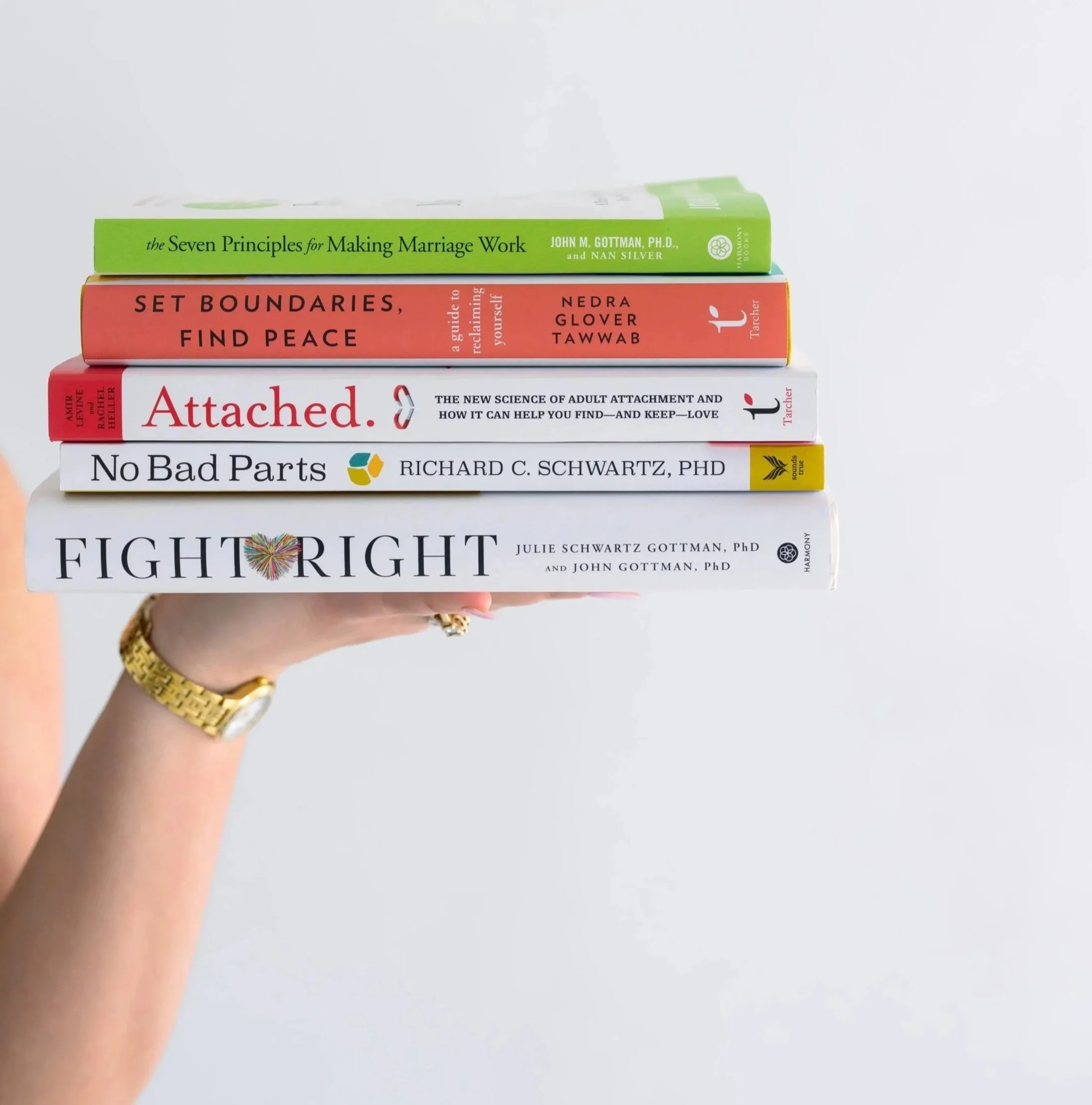
If you’ve ever picked up a self-help book at just the right time, you know how impactful it can be.
As a licensed marriage and family therapist, I’ve seen how the right book can help you feel understood, put words to what you’ve been experiencing, and offer a starting point for change. Whether you're navigating stress, relationship challenges, or feeling disconnected from yourself, books can be a powerful tool alongside therapy.
If you’re looking for meaningful, therapist-recommended reads in 2026, here are a few I often suggest to clients.
1. Tiny Habits by BJ Fogg
The core idea is simple: small changes lead to lasting transformation.
This book breaks down how to build habits in a way that actually feels doable—especially if you tend to feel overwhelmed or stuck before you even begin.
Therapist’s take:
I often recommend this to clients who feel pressure to “fix everything” all at once. It offers a gentler, more realistic approach to change.
2. Atlas of the Heart by Brené Brown
This book helps you better understand your emotions—and name what you’re actually feeling.
Brené Brown explores a wide range of emotions in a way that’s both relatable and insightful, making it easier to connect with yourself and others.
Therapist’s take:
A great resource if you’ve ever thought, “I don’t even know what I’m feeling.” It’s especially helpful for emotional awareness and relationship work.

3. Burnout: The Secret to Unlocking the Stress Cycle by Emily Nagoski and Amelia Nagoski
If you feel constantly exhausted or stuck in stress mode, this book explains why—and what actually helps.
It introduces the concept of “completing the stress cycle,” offering practical ways to move through stress instead of staying stuck in it.
Therapist’s take:
I recommend this often for clients dealing with chronic stress, burnout, or perfectionism.
4. Set Boundaries, Find Peace by Nedra Glover Tawwab
Boundaries can feel confusing, uncomfortable, or even guilt-inducing—this book helps make them clearer.
It walks through how to set and maintain boundaries in a way that protects your time, energy, and relationships.
Therapist’s take:
Especially helpful if you struggle with people-pleasing or feel responsible for everyone else’s needs.
5. The Seven Principles for Making Marriage Work by John Gottman and Nan Silver
One of the most well-known, research-backed relationship books available.
It offers practical tools for improving communication, managing conflict, and strengthening connection.
Therapist’s take:
I often recommend this to couples who want structured, actionable ways to improve their relationship.
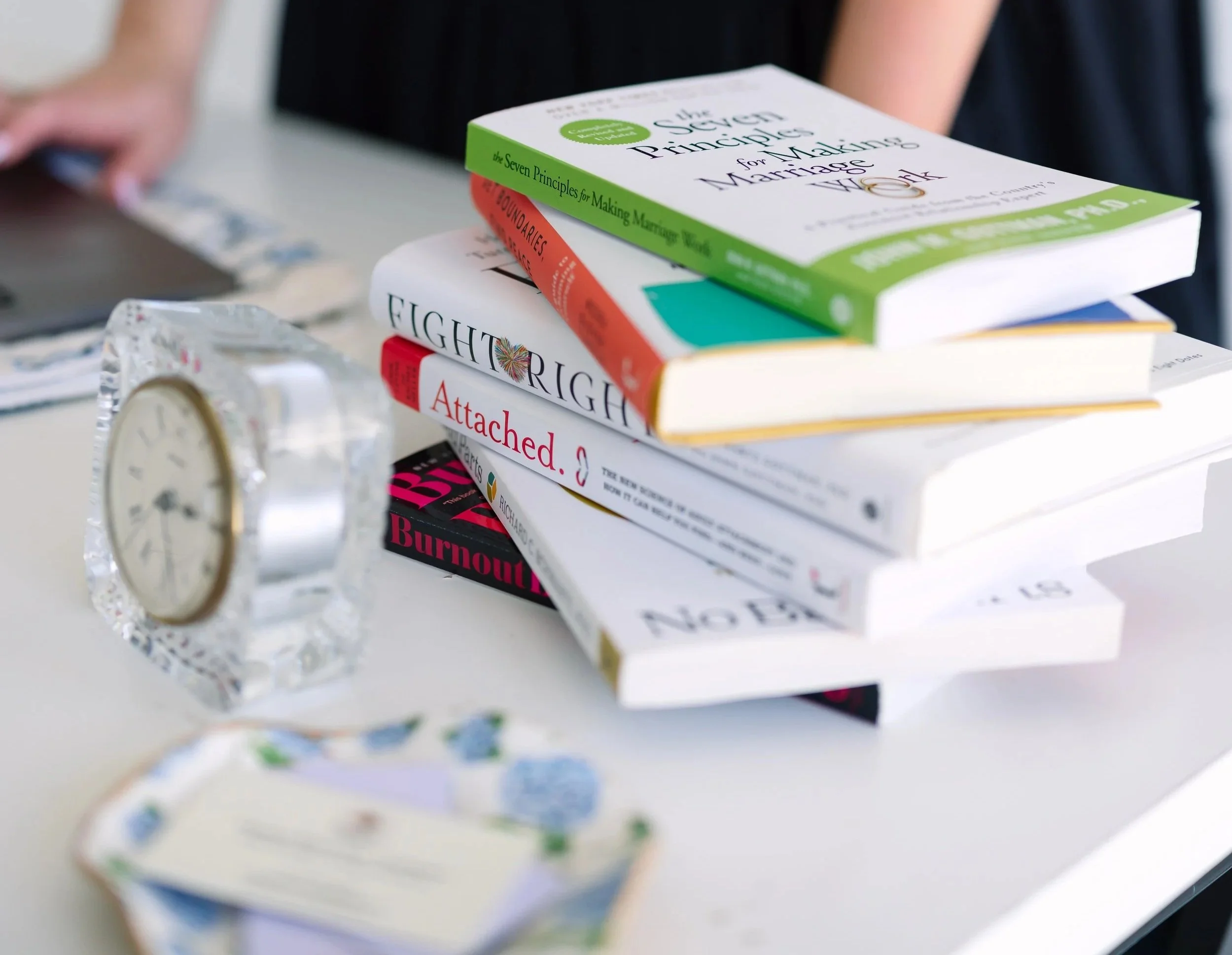
6. Hold Me Tight by Sue Johnson
Rooted in Emotionally Focused Therapy (EFT), this book centers on building emotional connection and security.
It walks couples through key conversations that help deepen trust and closeness.
Therapist’s take:
A powerful resource for couples wanting to reconnect or better understand each other emotionally.
Self-help books can be incredibly helpful—but they’re just a starting point.
Real change happens when you begin to apply what you’re learning in your everyday life. And sometimes, having support while you do that can make a meaningful difference.
If you’re exploring any of these areas and want a space to slow down, process, and move forward with more clarity, therapy can help.